
1. Introduction to the Chapter
We see many economic activities around us. Farmers grow crops, shopkeepers sell goods, teachers provide education, mechanics repair machines, and manufacturers produce different products. All these activities involve the use of resources, skills, knowledge, and effort.
Sometimes, people identify a problem or an unmet need and develop a new way to solve it. They may start a business to provide a product or service that people need. This process is closely related to entrepreneurship.
For example, suppose students in a locality find it difficult to buy affordable stationery. A young person may identify this problem and start a small stationery business. The person must study customer demand, arrange supplies, estimate costs, decide prices, and plan how to sell the products.
Thus, an idea can become a business when it is supported by planning, resources, decision-making, and consistent effort.
Learning Objectives
After studying this chapter, students should be able to:
- Explain the meaning of entrepreneurship and identify the role of an entrepreneur.
- Recognise the resources required to start a business.
- Understand how entrepreneurs contribute to employment and economic development.
- Learn from examples of successful entrepreneurs.
- Explain the concept of creative destruction.
- Understand the startup ecosystem in India.
- Describe the role of Micro, Small and Medium Enterprises (MSMEs).
- Understand the importance of business planning.
- Explain basic accounting concepts such as revenue, expenses, profit, and loss.
2. Meaning and Concept of Entrepreneurship
2.1 What Is Entrepreneurship?
Entrepreneurship is the process of identifying an opportunity, organising the resources required to act on it, and developing a business or activity that creates value through goods or services.
Entrepreneurship is not limited to opening a shop or starting a company. It also involves identifying problems, developing useful ideas, making decisions, managing resources, and adapting to changing circumstances.
Example: Farmers in a village may find it difficult to transport their fruits to distant markets. An entrepreneur may establish a collection and delivery service that helps farmers transport their produce more efficiently. The service may solve a local problem while generating income for the entrepreneur.
2.2 Who Is an Entrepreneur?
An entrepreneur is a person who identifies a business opportunity and takes the initiative to start or develop a business. The entrepreneur organises resources, makes important decisions, and manages the risks associated with the venture.
The major functions of an entrepreneur are:
- Identifying business opportunities.
- Setting business objectives.
- Arranging finance and other resources.
- Developing products or services.
- Reaching customers through suitable marketing and distribution methods.
- Monitoring expenses, revenue, and business performance.
- Learning from difficulties and improving business operations.
2.3 Entrepreneurship and Ordinary Business Activities
Entrepreneurship often involves initiative, opportunity recognition, resource organisation, and decision-making under uncertainty.
For example, one person may work as an employee in an existing stationery shop. Another person may identify a demand for affordable stationery and start a shop of their own. The second person takes the initiative to establish the business and becomes responsible for its planning and operation.
However, employees can also contribute ideas and innovation within an existing organisation. Entrepreneurship is not limited to people who own businesses.
2.4 Importance of Entrepreneurship
1. Employment Generation
New businesses can create employment opportunities for workers, suppliers, delivery personnel, and service providers.
2. Promotion of Innovation
Entrepreneurs may introduce new products, improve existing services, and develop more efficient methods of production.
3. Use of Resources
Entrepreneurs can use local raw materials, skills, technology, and labour to create useful goods and services.
4. Economic Development
Business expansion can increase production, trade, investment, and the availability of goods and services.
2.5 Important Qualities of an Entrepreneur
Successful entrepreneurship often requires the following qualities:
- Opportunity recognition: Identifying people’s needs and problems.
- Creativity: Developing new and useful ideas.
- Initiative: Taking appropriate action instead of merely thinking about an idea.
- Decision-making: Choosing suitable options after considering available information.
- Risk assessment: Evaluating possible gains and losses before making decisions.
- Perseverance: Continuing to work towards objectives despite difficulties.
- Willingness to learn: Improving through experience, feedback, and mistakes.
- Communication and leadership: Working effectively with customers, employees, and business partners.
Taking risks does not mean investing money without thinking. A responsible entrepreneur studies possible risks and tries to reduce them.
3. Resources Required to Start a Business
A business cannot succeed through an idea alone. It requires resources that help turn the idea into a practical activity. The availability and proper management of these resources influence business performance.
3.1 Financial Resources
Financial resources refer to the money required to establish and operate a business.
Money may be needed for:
- Renting a shop or workplace.
- Purchasing machines, equipment, and furniture.
- Buying raw materials.
- Paying employees.
- Packaging and transporting products.
- Advertising and promotion.
- Meeting regular expenses until customer payments are received.
Example: A student who wants to sell handmade products during the holidays will need money to purchase materials, prepare packaging, and deliver the products to customers.
3.2 Human Resources
Human resources include the people who contribute their labour, knowledge, experience, and skills to a business.
An entrepreneur may initially perform several tasks independently. As the business grows, additional people may be needed.
For example, a bakery may require skilled workers to prepare products, employees to handle sales, and someone with accounting knowledge to maintain financial records.
3.3 Physical Resources
Physical resources are tangible items used in business operations.
Examples include:
- Land and buildings.
- Machines and equipment.
- Raw materials.
- Vehicles.
- Furniture.
- Storage facilities.
The type and quantity of physical resources required depend on the nature and size of the business.
3.4 Natural Resources
Some businesses depend heavily on natural resources.
For example, agriculture depends on land and water, while food-processing businesses may depend on fruits, vegetables, grains, or other agricultural products.
Entrepreneurs should use natural resources responsibly to avoid unnecessary waste and environmental damage.
3.5 Knowledge, Skills, and Technology
Money and equipment alone are not sufficient. Entrepreneurs also need knowledge of the market, technical skills, management abilities, and communication skills.
For example, a person running an online store should understand the products being sold and know how to manage online orders, digital payments, and customer communication.
3.6 Business Networks
A business network consists of relationships with customers, suppliers, distributors, financial institutions, and other organisations or individuals.
A reliable network can help an entrepreneur obtain raw materials, find customers, exchange information, and identify new opportunities.
3.7 Combining Resources Effectively
| Resource | Use in a Business |
| Money | Purchasing goods, paying salaries, and meeting expenses |
| Human resources | Production, sales, and management |
| Physical resources | Workplace, machines, and equipment |
| Knowledge and skills | Improving quality and making decisions |
| Technology | Increasing efficiency and reaching customers |
| Business networks | Obtaining supplies, making sales, and building partnerships |
Key takeaway: A business may begin on a small scale with limited resources, but those resources must be managed carefully.
4. Stories of Successful Entrepreneurs
The experiences of entrepreneurs show that businesses can grow from different beginnings. Some start with a small amount of capital, while others develop through specialised knowledge, market experience, or collective effort.
4.1 Shri Mahila Griha Udyog Lijjat Papad

10
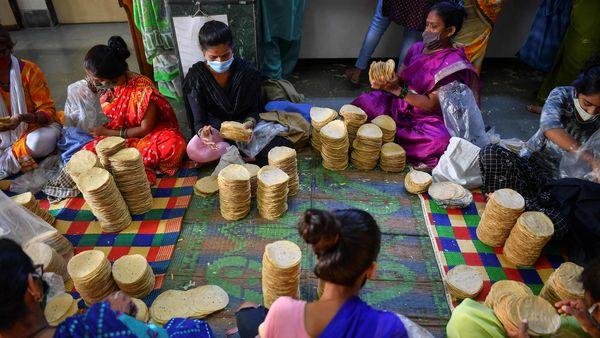
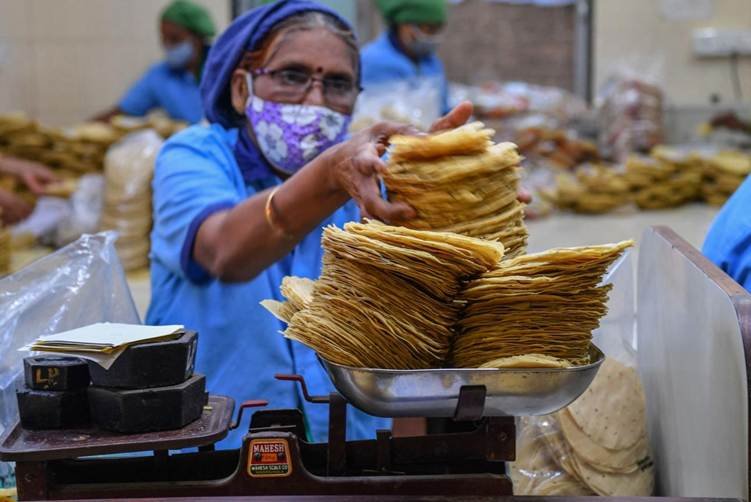
Shri Mahila Griha Udyog Lijjat Papad is a well-known example of women’s collective enterprise in India. It began in Mumbai in 1959 with seven women who started making and selling papads. Over time, this small initiative developed into a widely recognised business.
Lessons from the Example
1. Small beginnings can lead to growth
A business does not always need a large factory or office at the beginning. It can start on a manageable scale and grow over time.
2. Skills can create economic opportunities
The ability to prepare papads became a means of earning income.
3. Collective effort is valuable
Working together allows people to share responsibilities and coordinate their activities.
4. Quality matters
Maintaining product quality helps build customer trust and encourages repeat purchases.
5. Entrepreneurship can support economic independence
The initiative created work and income opportunities for women.
Key learning: The Lijjat Papad example illustrates collective effort, women’s empowerment, quality, self-reliance, and the development of a business from a small beginning.
4.2 M. S. Oberoi’s Entrepreneurial Journey


4
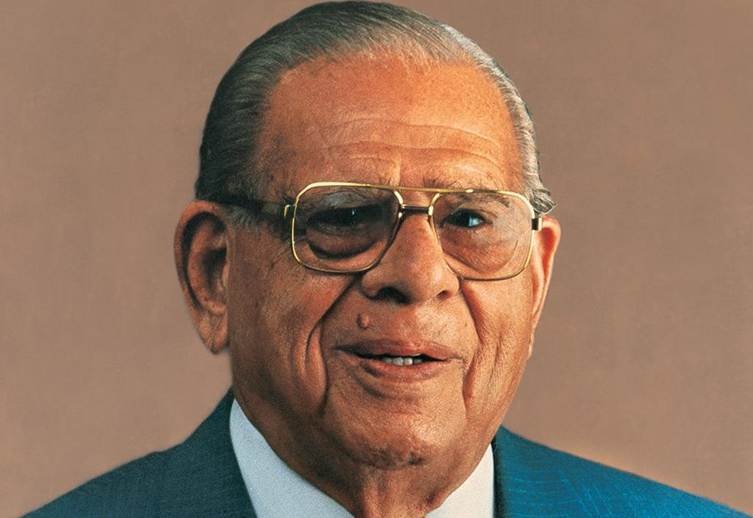
M. S. Oberoi, whose full name was Mohan Singh Oberoi, was one of India’s well-known hoteliers. Through his experience and business development efforts, he played an important role in building the Oberoi hotel group.
His journey helps explain several aspects of entrepreneurship.
1. Learning through experience
Understanding how an industry operates can help an entrepreneur make better decisions.
2. Identifying opportunities
Recognising customer needs and market possibilities can create opportunities for business growth.
3. Maintaining quality and service
In the hospitality industry, cleanliness, comfort, staff behaviour, and customer experience are particularly important.
4. Building a long-term reputation
A strong reputation requires consistent performance and reliable service.
5. Managing business operations
Coordinating employees, facilities, finances, and services helps a business operate effectively.
Key learning: Business development requires more than effort. Industry knowledge, customer satisfaction, quality, and effective management are also important.
4.3 Comparison of the Two Examples
| Basis | Lijjat Papad | M. S. Oberoi |
| Business area | Food products | Hotels and hospitality |
| Major entrepreneurial feature | Collective effort | Opportunity recognition and business development |
| Key lesson | Quality, cooperation, and economic independence | Experience, customer service, and management |
| Wider contribution | Work opportunities for women | Development of the hospitality industry |
These examples show that entrepreneurship can take different forms. The factors contributing to success depend on the business, its customers, available resources, and management practices.
5. Creative Destruction
5.1 Meaning of Creative Destruction
Creative destruction is an economic concept associated with economist Joseph Schumpeter. It describes a process in which new products, technologies, and business methods replace or reduce the importance of older products and methods.
This process is associated with innovation and economic change.
5.2 A Simple Example
In the past, people commonly used handwritten letters to communicate over long distances. The growth of mobile phones, email, and instant messaging changed communication habits.
As digital communication became more common, the use of some traditional methods declined, while new digital services and businesses developed.
This illustrates how new technologies can replace older methods and create new economic opportunities.
5.3 How Creative Destruction Works
- A new idea or technology is developed.
- A new product or service meets customer needs in a different way.
- Customers gradually adopt the new option.
- Demand for older products or methods may decline.
- Existing businesses may need to innovate or adapt to changing conditions.
5.4 Potential Benefits
- New products and services become available.
- Production and service delivery may become more efficient.
- Customers gain additional choices.
- New business opportunities may emerge.
- Businesses receive incentives to improve quality and innovate.
5.5 Possible Challenges
Creative destruction can also create difficulties:
- Demand for certain older skills may decline.
- Some businesses may struggle or close.
- Workers may need to learn new skills.
- Technological changes may temporarily affect some people’s incomes.
Training, reskilling, and adaptation are therefore important.
5.6 Example: Digital Payments
As digital payments become more common, customers may use mobile applications or other digital methods instead of cash.
This can make payments more convenient and create opportunities for digital services. However, small shopkeepers and customers may need to learn how to use these systems safely.
Conclusion: Creative destruction is a process in which innovation can replace older products and methods while creating new opportunities and adjustment challenges.
6. India’s Startup Ecosystem
6.1 What Is a Startup?
A startup is generally a new business established to address a problem, take advantage of an opportunity, or develop a product or service. Many startups seek to refine their business models and expand their operations.
For example, a young entrepreneur may develop a service that helps local shops accept online orders and deliver products to customers. If the idea is developed into a business, it can be considered an example of a startup.
6.2 Meaning of a Startup Ecosystem
A startup ecosystem is the network of people, institutions, resources, and conditions that support the establishment and development of new businesses.
Its major components include:
1. Entrepreneurs: People who develop ideas and attempt to turn them into businesses.
2. Investors and financial institutions: Sources of finance for business development.
3. Mentors: Experienced people who provide guidance and advice.
4. Educational and training institutions: Organisations that develop knowledge, technical skills, and entrepreneurial abilities.
5. Government: Institutions that support entrepreneurship through policies, schemes, infrastructure, and regulatory arrangements.
6. Customers and markets: People and organisations that create demand for products and services.
7. Technology and business networks: Digital platforms, laboratories, incubation centres, and other support organisations.
6.3 Importance of the Startup Ecosystem
A strong startup ecosystem can:
- Help entrepreneurs develop new ideas.
- Improve access to finance and guidance.
- Provide opportunities to test products and services.
- Connect entrepreneurs with experts and potential customers.
- Support the growth of successful businesses.
- Create opportunities for employment and innovation.
6.4 Challenges Faced by Startups
Startups may face several difficulties:
- Lack of initial capital.
- Uncertainty about customer demand.
- Competition from established businesses.
- Difficulty in recruiting skilled workers.
- The need to balance product quality and cost.
- Challenges in understanding regulations and procedures.
- Difficulty in building customer trust.
Entrepreneurs can address these challenges through market research, realistic planning, financial discipline, customer feedback, and continuous improvement.
7. Government Initiatives Supporting Entrepreneurship in India
Various government initiatives seek to encourage entrepreneurship, manufacturing, digital services, and business development. Make in India, Startup India, and Digital India are useful examples for understanding the broader environment in which Indian businesses operate.
7.1 Make in India
The Make in India initiative aims to encourage manufacturing and investment in India and support the country’s development as a significant production centre.
Its connection with entrepreneurship includes:
- Encouraging domestic manufacturing.
- Supporting manufacturing-related economic activities.
- Creating opportunities for suppliers and supporting industries.
- Encouraging the development of production capacity and skills.
Example: An entrepreneur who establishes a small unit to manufacture agricultural equipment components in India may contribute to local production and create opportunities for suppliers and workers.
7.2 Startup India
Startup India aims to promote entrepreneurship and the startup culture in India.
Subject to eligibility and applicable rules, entrepreneurs may be able to access various forms of support or facilities through relevant programmes.
The broader objective is to create a more supportive environment for innovation, new business ideas, and startup development.
Example: An eligible technology startup may explore relevant startup resources to understand its options for developing a product, obtaining guidance, and growing its business.
7.3 Digital India
Digital India aims to expand the use of digital technology and digital services.
Digital technology can support entrepreneurship through:
- Online sales.
- Digital payments.
- Internet-based promotion.
- Online customer communication.
- Digital accounting.
- Remote service delivery.
Example: A small shopkeeper who shares product information online and accepts digital payments may be able to reach customers beyond the immediate locality.
7.4 Comparison of These Initiatives
| Initiative | Broad Objective | Connection with Entrepreneurship |
| Make in India | Encourage manufacturing in India | Opportunities in production and supporting industries |
| Startup India | Promote startups and innovation | Support for new business development |
| Digital India | Expand digital technology and services | Online businesses and digital services |
Important: Benefits are not automatically available to every business. Eligibility requirements and current scheme rules must be checked before applying.
8. Micro, Small and Medium Enterprises (MSMEs)
8.1 Meaning of MSMEs
MSME stands for Micro, Small and Medium Enterprises.
These enterprises are classified into micro, small, and medium categories according to prescribed criteria. They are important participants in manufacturing, services, and related economic activities.
Examples may include:
- A small bakery.
- A local furniture manufacturing unit.
- A tailoring or garment-making business.
- A food-processing unit.
- Repair and technical services.
- A small software or digital services business.
8.2 Importance of MSMEs
1. Employment generation
Small businesses can provide employment opportunities at the local level.
2. Use of local resources
They can use locally available raw materials, skills, and labour.
3. Regional development
MSMEs can support economic activity in rural areas and smaller towns.
4. Contribution to supply chains
They may supply components, materials, and services to larger businesses.
5. Innovation
Small businesses can develop products and services that meet local needs.
8.3 Challenges Faced by MSMEs
- Limited access to finance and credit.
- High costs of adopting modern technology.
- Competition from larger businesses.
- Difficulty in reaching wider markets.
- Shortage of skilled workers.
- Delays in receiving payments.
Financial awareness, training, technological improvement, market connections, and effective management can help address these challenges.
8.4 General Difference Between MSMEs and Large Enterprises
| Basis | MSMEs | Large Enterprises |
| Scale of operations | Generally smaller or medium-sized | Generally large-scale |
| Resources | May have more limited resources | May have greater resources |
| Market reach | May serve local or wider markets | Often serve larger markets |
| Decision-making | May have a relatively simple structure | May have multiple departments and formal procedures |
| Common challenges | Finance, technology, and market access | Managing large-scale operations and coordination |
This is a general comparison. The actual characteristics of individual businesses may differ.
9. Role of the Unorganised Sector
9.1 Meaning of the Unorganised Sector
The unorganised sector generally includes economic activities in which employment and working arrangements may be less formal or less regularly regulated than those in the organised sector.
Examples may include some home-based production activities, street vending, daily-wage work, and small-scale services. However, a business is not automatically part of the unorganised sector simply because it is small.
9.2 Contribution to Economic Activities
1. Employment opportunities
Many people earn their livelihoods through small businesses and local services.
2. Meeting local needs
Activities such as repair work, food sales, domestic services, and other everyday services help meet people’s needs.
3. Opportunities for self-employment
People may use their skills and labour to establish their own small activities.
4. Support for local economies
Local producers, shopkeepers, and customers engage in economic transactions.
5. Low-scale entry opportunities
Some activities can be started with limited resources, although the actual capital requirement varies by business.
9.3 Major Challenges
- Uncertain income.
- Limited access to social security and other benefits.
- Difficulty obtaining formal credit.
- Limited access to training and technology.
- Weak bargaining power in some markets.
Skill development, financial literacy, access to social protection, better market connections, and awareness of relevant rules can help address these challenges.
9.4 Difference Between MSMEs and the Unorganised Sector
MSME is a classification of enterprises based on prescribed criteria. The unorganised sector refers to the nature of economic activity and employment arrangements.
The two terms should not be used interchangeably.
10. Steps Involved in Starting a Business
A systematic process helps entrepreneurs convert an idea into a practical business.
Step 1: Identify an Idea
The entrepreneur identifies a problem, need, or business opportunity.
Example: Students in a locality do not have access to affordable evening tuition.
Step 2: Conduct Market Research
The entrepreneur studies potential customers, their needs, existing alternatives, and the prices they may be willing to pay.
Step 3: Check Feasibility
The entrepreneur evaluates whether the idea is practical by considering skills, resources, costs, demand, and risks.
Step 4: Arrange Resources
The entrepreneur identifies the money, location, equipment, employees, technology, and suppliers required.
Step 5: Prepare a Business Plan
A written plan is prepared to explain the business idea, target market, operations, marketing approach, and financial requirements.
Step 6: Start the Business
The entrepreneur completes the necessary legal and other applicable procedures and begins operations. The business may initially operate on a small scale.
Step 7: Review Performance
Sales, expenses, customer feedback, and product quality are reviewed regularly. Improvements are made when necessary.
Business Development Process
Identify an Idea
Study the Market and Feasibility
Arrange Resources and Finance
Prepare a Plan and Start Operations
Review, Improve, and Grow
11. Business Plan
11.1 Meaning of a Business Plan
A business plan is a written document describing a business’s objectives, product or service, target customers, market, resources, operations, and financial requirements.
It helps entrepreneurs understand whether their ideas are practical and how they can organise the business.
11.2 Main Components of a Business Plan
1. Business Idea and Objectives
This section explains what the business will do, which problem it will solve, and what it aims to achieve.
2. Description of the Product or Service
It describes the product or service, its features, its uses, and the benefits it offers customers.
3. Market Research
This includes studying potential customers, customer needs, competitors, and market demand.
4. Marketing Plan
The marketing plan describes pricing, promotion, distribution, and methods of reaching customers.
5. Operations Plan
It explains the location, raw materials, equipment, production process, and staffing requirements.
6. Financial Plan
It includes the initial investment, regular expenses, estimated revenue, cash-flow requirements, and expected profit or loss.
7. Risks and Solutions
This section identifies possible difficulties and explains how they may be reduced or managed.
11.3 Example: A Small Bakery Business Plan
Suppose a young entrepreneur wants to open a bakery in the local area.
| Component | Example |
| Business idea | Selling bread, biscuits, and cakes |
| Target customers | Local families, students, and small offices |
| Market research | Studying demand and competitors’ prices |
| Resources | Oven, equipment, raw materials, and workspace |
| Marketing | Local promotion, social media, and contacts with shops |
| Finance | Estimating investment, rent, electricity, wages, and ingredient costs |
| Risks | Low sales, rising ingredient costs, and product spoilage |
| Solutions | Starting with limited production, maintaining quality, and monitoring expenses |
11.4 Importance of a Business Plan
A business plan:
- Clarifies objectives and responsibilities.
- Helps estimate costs and resource requirements.
- Identifies possible risks.
- Makes it easier to review business performance.
- Helps present business information systematically when seeking financial support.
Conclusion: A business plan cannot guarantee success, but it helps entrepreneurs make informed decisions and reduce avoidable mistakes.
12. Basic Accounting Concepts
12.1 Meaning of Accounting
Accounting is the systematic process of recording, classifying, and summarising the financial transactions of a business.
It helps an entrepreneur understand how much money the business receives, how much it spends, how much it sells, and whether it earns a profit or incurs a loss.
12.2 Revenue
Revenue is the income earned from a business’s ordinary activities, such as selling goods or providing services.
Example: A shopkeeper sells goods worth ₹5,000 in one day. If these sales are made as part of the shop’s normal business activity, ₹5,000 represents sales revenue.
12.3 Expenses
Expenses are the costs incurred in running a business.
Examples include:
- Rent.
- Wages and salaries.
- Electricity bills.
- Raw materials.
- Transport.
- Packaging.
- Advertising.
Keeping records of expenses helps entrepreneurs understand how much of their revenue is being used to operate the business.
12.4 Profit
When revenue is greater than the relevant total expenses, the difference is called profit.
Formula:
\[ \text{Profit}=\text{Revenue}-\text{Total Expenses} \]
Example: A shopkeeper earns revenue of ₹20,000 and incurs total expenses of ₹15,000.
\[ \text{Profit}=₹20,000-₹15,000=₹5,000 \]
Therefore, the profit in this example is ₹5,000.
12.5 Loss
When the relevant total expenses exceed revenue for a period, the difference represents a loss.
Formula:
\[ \text{Loss}=\text{Total Expenses}-\text{Revenue} \]
Example: A business earns revenue of ₹12,000 and incurs total expenses of ₹14,000.
\[ \text{Loss}=₹14,000-₹12,000=₹2,000 \]
Therefore, the business incurs a loss of ₹2,000.
12.6 Capital
Capital refers to the money or other resources used to establish and operate a business.
Possible sources include the entrepreneur’s savings, investments by partners, and loans obtained under agreed terms.
When estimating capital requirements, entrepreneurs should consider both initial costs and the money needed for day-to-day operations.
12.7 Assets and Liabilities
Assets are economic resources controlled by a business. Examples include cash, equipment, machinery, and inventory.
Liabilities are financial obligations that a business must meet. Examples include outstanding loans and amounts payable to suppliers.
12.8 Cash Flow
Cash flow refers to the movement of cash into and out of a business.
A business may make sales and report a profit but still experience a shortage of cash. For example, if customers purchase goods on credit and pay later, the business may not immediately have enough cash to meet its current expenses.
Entrepreneurs should therefore monitor the timing of receipts and payments.
12.9 Importance of Accounting
Accounting helps entrepreneurs:
- Maintain systematic records of income and expenses.
- Estimate profit or loss.
- Monitor the availability of cash.
- Identify unnecessary expenses.
- Make better financial decisions.
- Meet applicable tax and other legal obligations.
12.10 Example: Accounts of a Small Stationery Shop
Suppose a student runs a small stationery business.
| Particulars | Amount |
| Revenue from sales | ₹8,000 |
| Cost of goods purchased | ₹4,500 |
| Transport and packaging | ₹500 |
| Other relevant expenses | ₹1,000 |
| Total expenses | ₹6,000 |
| Profit | ₹2,000 |
Calculation:
Total Expenses=₹4,500+₹500+₹1,000=₹6000
{Profit}=₹8,000-₹6,000=₹2,000
The business earns a profit of ₹2,000 in this example. In actual accounting, all relevant income and expenses must be recorded and assigned to the appropriate accounting period.
13. Traditional Entrepreneurship and Business Experience
Traditional entrepreneurship refers to business activities and practices that have developed over time through experience, skills, market relationships, and local needs.
Different communities and regions in India have traditions associated with trade, finance, handicrafts, and production. Studying such traditions can help students understand practical aspects of entrepreneurship.
13.1 Lessons from Traditional Business Practices
1. Importance of trust
Reliable relationships with customers and business partners can support long-term business activity.
2. Financial discipline
Maintaining records of income, expenses, credit, and payments is essential.
3. Experience
Knowledge of customers and markets can improve decision-making.
4. Business relationships
Good relationships with suppliers and customers can help business operations run smoothly.
5. Adapting to change
Traditional knowledge can be combined with modern technology and changing market requirements.
13.2 Combining Traditional Business with Modern Technology
For example, an entrepreneur selling traditional spices may maintain product quality and relationships with local customers while introducing online sales. Digital payments and online promotion may help the business reach additional customers.
Thus, traditional experience and modern technology can complement each other.
14. Social Entrepreneurship and Social Responsibility
These are useful supplementary concepts for understanding entrepreneurship. Include them as core chapter content only if they are present in the prescribed textbook.
14.1 Meaning of Social Entrepreneurship
Social entrepreneurship involves using entrepreneurial methods to address social or environmental problems.
A social enterprise may earn revenue, but it also aims to create a positive social impact.
Example: An enterprise provides affordable solar-energy systems to rural households. This may give families access to an alternative energy source while generating revenue for the business.
14.2 Business Ethics
Business ethics refers to the values and principles that guide a business towards honest, fair, and responsible behaviour.
Examples include:
- Providing accurate information to customers.
- Avoiding misleading claims about product quality.
- Treating employees respectfully.
- Addressing customer complaints fairly.
- Following applicable laws.
14.3 Social Responsibility : Social responsibility means that a business considers the effects of its decisions and activities on customers, employees, society, and the environment.
For example, a food-processing business may maintain hygiene, provide accurate product labels, and manage its waste properly.
14.4 Balancing Profit and Responsibility
A business needs to remain financially sustainable. At the same time, it should avoid misleading customers, causing unnecessary environmental damage, or engaging in harmful practices.
Balancing profitability with responsible conduct can help build trust and support long-term business sustainability.
15. Overall Summary of the Chapter
The main ideas of the chapter can be summarised as follows:
- Entrepreneurship is the process of turning an idea or opportunity into a practical business or activity.
- An entrepreneur identifies opportunities, organises resources, and makes decisions about the business.
- Businesses may require finance, human resources, physical resources, knowledge, skills, technology, and networks.
- The examples of Lijjat Papad and M. S. Oberoi illustrate different aspects of entrepreneurship and business development.
- Creative destruction explains how new products and technologies can replace older methods and create new opportunities.
- India’s startup ecosystem includes entrepreneurs, investors, institutions, customers, and government initiatives.
- Make in India, Startup India, and Digital India are examples of initiatives connected with manufacturing, entrepreneurship, and digital activity.
- MSMEs contribute to employment, local production, and economic activity.
- Many people in the unorganised sector earn their livelihoods through small businesses and local services.
- A business plan describes the business idea, market, resources, operations, marketing, and financial requirements.
- Accounting helps entrepreneurs understand revenue, expenses, profit, loss, and financial position.
- Business development requires planning, financial discipline, an understanding of customer needs, and continuous improvement.
16. Important Terms and Definitions
| Term | Meaning |
| Entrepreneurship | The process of identifying opportunities and using resources to develop a business or useful activity |
| Entrepreneur | A person who starts or develops a business |
| Startup | A new business that may be based on an opportunity or a solution to a problem |
| Startup ecosystem | The people, institutions, resources, and conditions that support startups |
| Resources | Money, people, equipment, knowledge, and other means required for business |
| Innovation | Putting an idea into practical use through a product, service, or process |
| Creative destruction | A process in which innovation replaces older products or methods with new alternatives |
| MSME | Micro, Small and Medium Enterprise |
| Business plan | A written plan describing a business’s objectives, market, resources, operations, and finances |
| Revenue | Income earned from ordinary business activities |
| Expenses | Costs incurred in running a business |
| Profit | The amount remaining when relevant total expenses are deducted from revenue |
| Loss | The amount by which relevant total expenses exceed revenue |
| Capital | Money or other resources used to establish and operate a business |
| Cash flow | The movement of cash into and out of a business |
| Business network | Relationships with customers, suppliers, investors, and other business contacts |